Your Lake City MI Guide to Buying a Cottage or Second Home
April 23, 2026
April 23, 2026
Dreaming about a place where summer weekends revolve around the lake and winter brings a quieter kind of Northern Michigan charm? Buying a cottage or second home in Lake City can be a great way to create that lifestyle, but it also comes with practical decisions about financing, taxes, inspections, and how you plan to use the property. If you want to buy with confidence, it helps to understand how Lake City’s market works before you start touring homes. Let’s dive in.
Lake City’s second-home appeal starts with Lake Missaukee, a natural lake of about 1,880 acres with Lake City located on the eastern shore. The shoreline is already heavily developed in many areas, which means buyers will find a mix of classic lakefront properties and homes close to the water.
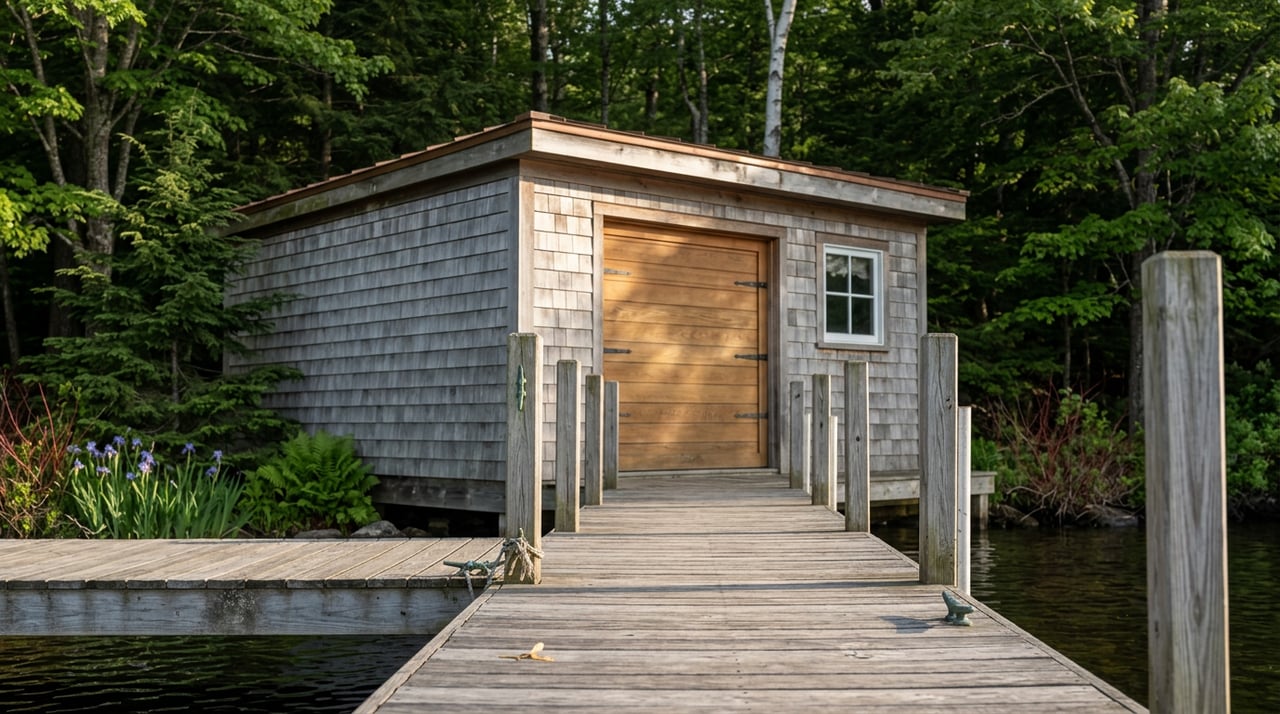
That variety matters if you are trying to match your purchase to your lifestyle and budget. Some buyers want direct frontage, a dock, and full control over their shoreline. Others want easier upkeep and may be just as happy owning a nearby home while using one of the lake’s public access points.
According to the same Michigan DNR lake report, public access around Lake Missaukee includes a downtown dock, Miltner Park beach access, Missaukee Lake Park with a campground, swimming beach, paved launch, and boat slips for rent, plus a public access site at the end of Green Road. That gives you more than one way to enjoy the lake, even if you decide not to buy waterfront.
A Lake City cottage is not just a summer purchase. Missaukee County’s planning documents describe long winters, average seasonal snowfall of 77 inches, and a summer recreation season that runs roughly from mid-May through mid-September. In other words, your second home may need to perform well in every season, not just during warm-weather weekends.
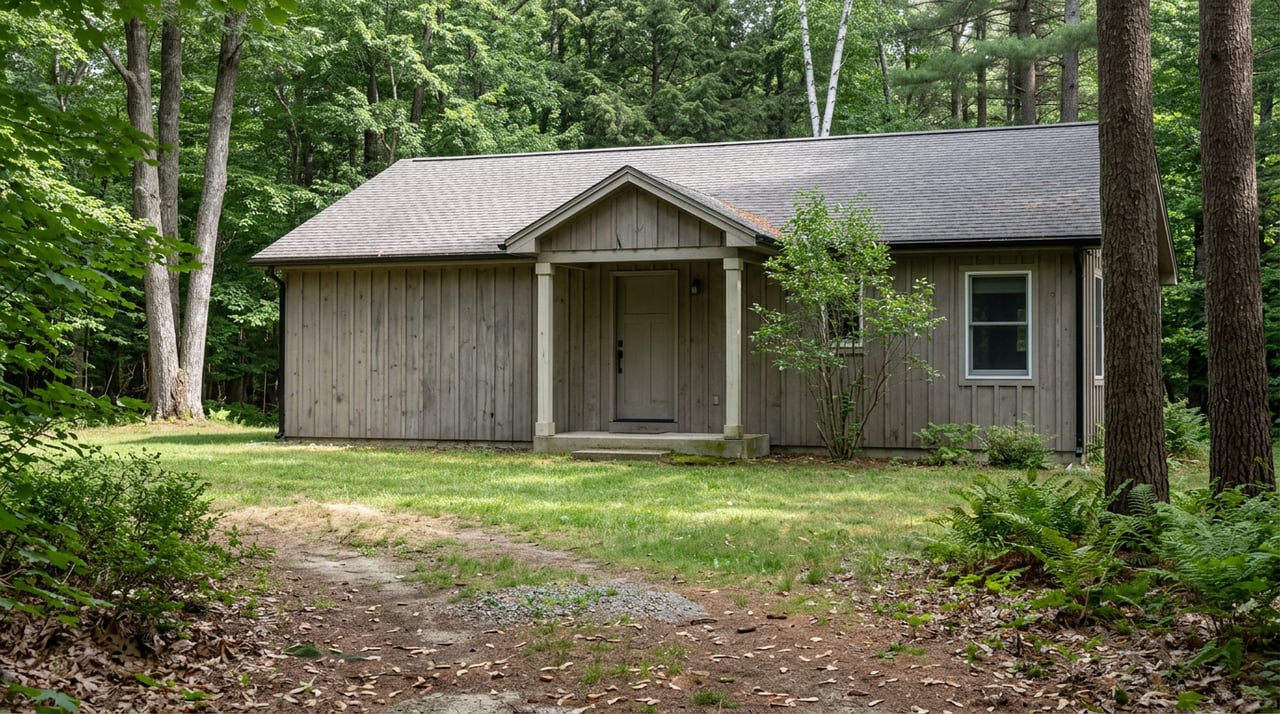
That affects the kind of property you should target. Older seasonal cottages can be appealing, but they may need updates to heating, insulation, plumbing, or moisture control if you want dependable year-round use. Winterization and regular maintenance should be part of your budget from day one.
Buying lakefront gives you the most direct connection to the water. You can step outside to your shoreline, keep a close eye on your dock area, and enjoy a level of privacy and control that many second-home buyers value.
At the same time, lakefront ownership usually means more responsibility. Shoreline upkeep, drainage concerns, erosion, and possible permitting issues can all become part of ownership, especially if you plan to make changes near the water.
A nearby-access property can be a smart option if you want the Lake City lifestyle with less maintenance. Because Lake Missaukee has several public access points, some buyers can enjoy boating, swimming, and beach days without taking on full shoreline stewardship.
This choice often comes down to tradeoffs. Lakefront may offer more direct access and privacy, while nearby-access homes may offer lower upkeep and potentially a lower overall cost of ownership.
Before you fall in love with a cottage, make sure it fits second-home loan guidelines. Fannie Mae’s occupancy rules say a second home should be a one-unit dwelling suitable for year-round occupancy, under your exclusive control, and occupied by you for some portion of the year. It cannot be a timeshare, and if it is financed as a second home, rental income cannot be used to help you qualify.
That year-round occupancy standard is important in Lake City. Some older cottages may have the right location and charm but still need systems upgrades before they fit conventional second-home expectations. Heating, insulation, water systems, and overall condition can all affect both financing and insurability.
If you are thinking about FHA financing, it is usually not the tool for a true vacation property. HUD guidance states that at least one borrower must occupy the home within 60 days and intend to continue occupancy for at least one year as a principal residence.
One of the biggest surprises for second-home buyers is property taxes. In Michigan, the Principal Residence Exemption can offset local school operating taxes up to 18 mills, but it applies only to a principal residence. A second home or vacation home does not qualify.
That means your annual tax bill may look different from what you are used to paying on a primary residence. When you are comparing cottages in Lake City, it is smart to evaluate the full monthly cost, not just the purchase price and mortgage payment.
A lot of buyers ask if they can rent out a Lake City cottage when they are not using it. The answer depends in part on where the property is located and whether the home can meet local rules.
Inside the incorporated City of Lake City, the short-term rental ordinance defines a short-term rental as a stay of less than 30 consecutive days per occupant. The ordinance also says a valid rental license must be issued before a property can be advertised or rented.
The city notes annual fees of $500 for the license and $250 for inspection, along with a $100 non-refundable waiting-list deposit. It also states that short-term rentals in residential or prescribed zones may be limited to 15 properties, with more than 500 feet of separation between units.
The rules go beyond licensing. The ordinance addresses building and fire code compliance, quiet hours from 11:00 p.m. to 7:00 a.m., and winter on-street parking restrictions. For owner-occupied rentals, the home must be the owner’s principal residence and qualify for a homestead exemption, while investor-owned homes may function as a second home or vacation home if ordinance requirements are met.
If the property is outside the incorporated city, do not assume the same ordinance applies. The ordinance is limited to the incorporated areas of Lake City, so you will want to verify any township or county rules separately before making plans.
In Lake City, inspections for a second home should go beyond the usual basics. Many cottages are older, seasonal, or located near the water, which means a deeper due-diligence process can save you from expensive surprises.
Start with private well and septic systems. District Health Department #10 handles permits for private wells and septic systems, evaluates sites, designs septic systems, locates well areas, and inspects final work. The department also recommends pumping septic tanks every 3 to 4 years.
Ask early for available septic and well records, and check whether additions or renovations may have changed the system load over time. If a cottage has been used seasonally, you will also want to understand the age, condition, and maintenance history of those systems.
If you are buying waterfront, pay close attention to the shoreline itself. The Michigan EGLE inland lakes program oversees certain activities such as dredging, filling, placing structures on bottomlands, marina work, and actions that interfere with natural water flow.
That matters if you are thinking about future improvements. A project that seems simple, like changing shoreline structures or modifying waterfront features, may involve state oversight depending on the work.
The Michigan DNR’s shoreline guidance also notes that lakefront homes can contribute to eroding shorelands, nutrient runoff, and loss of habitat, while more natural shoreline approaches can help reduce those effects. From a buyer’s perspective, that means shoreline condition is about more than curb appeal.
When you tour cottages or second homes in Lake City, keep this checklist in mind:
A second home should support your lifestyle, not create avoidable stress. The more clearly you understand the property’s condition and local rules, the easier it is to make a smart decision.
The best Lake City cottage purchase is not always the one with the prettiest photos or the shortest walk to the water. It is the one that fits how you actually plan to use it, what you want to spend over time, and how much maintenance you are comfortable handling.
If you want a place for quiet weekends, family gatherings, and a little more Northern Michigan breathing room, Lake City offers real opportunity. With the right guidance, you can sort through financing, taxes, rental questions, and property condition so your second home supports the kind of beautiful life you are trying to build.
If you are considering a cottage or second home in Lake City, the Daniella Bell Group can help you evaluate waterfront options, nearby-access homes, and the local details that matter before you buy.
Stay up to date on the latest real estate trends.