If you’re eyeing steady cash flow in a smaller Michigan market, rentals near Ferris State University can be a smart play. With nearly ten thousand students in town and a compact city footprint, the right property can stay full through the school year. You also get year-round demand from local employees and downtown businesses. In this guide, you’ll learn how to assess demand, choose the right property type, underwrite returns, plan for the student-leasing cycle, and navigate local rules in Big Rapids. Let’s dive in.
Why Ferris State drives demand
Ferris State reported 9,959 students for Fall 2024, and campus housing was about 96% occupied, a strong signal that many students still look off campus for housing each year. You can see that snapshot in the university’s enrollment update and dig deeper into on-campus versus off-campus patterns in Ferris’s Fact Book.
Big Rapids itself is small, with a July 2024 city estimate of about 8,565 residents and a county population near 41,947. Those figures, from U.S. Census QuickFacts, reinforce how much a nearly ten-thousand-student university shapes the local rental market. Layer in hospital and clinic staff, public employees, and university personnel, and you have consistent non-student demand supporting occupancy through the year. The city’s economic planning materials outline these workforce drivers and business activity around downtown Big Rapids. You can review the draft strategy context in the city’s economic development packet.
Who rents and when
- Primary tenants: Ferris students across undergraduate, graduate, and professional programs. Program mix and class standing influence preferences for off-campus housing, as outlined in the university’s Fact Book.
- Secondary tenants: Local workforce tied to healthcare, education, and service businesses downtown. Demand is steadier but still influenced by the academic cycle.
- Supplemental segments: Short-term visitors and seasonal stays may exist, but rules vary. Confirm licensing and zoning before pursuing this strategy.
Student leasing follows the academic calendar. Many student leases turn May–May, July–July, or August–May, with preleasing that starts in spring and peaks in early summer. The Ferris off-campus hub shows the general cadence and expectations; browse listings on the university’s partner site to see how units are marketed on that timeline using Ferris off-campus resources. Workforce-oriented units turn more evenly throughout the year but can still experience bumps around graduation and new academic terms.
Property types that work
- Converted single-family houses with 3–5 bedrooms. These are common student rentals, especially within walking distance of campus. Bedrooms and bathrooms drive value.
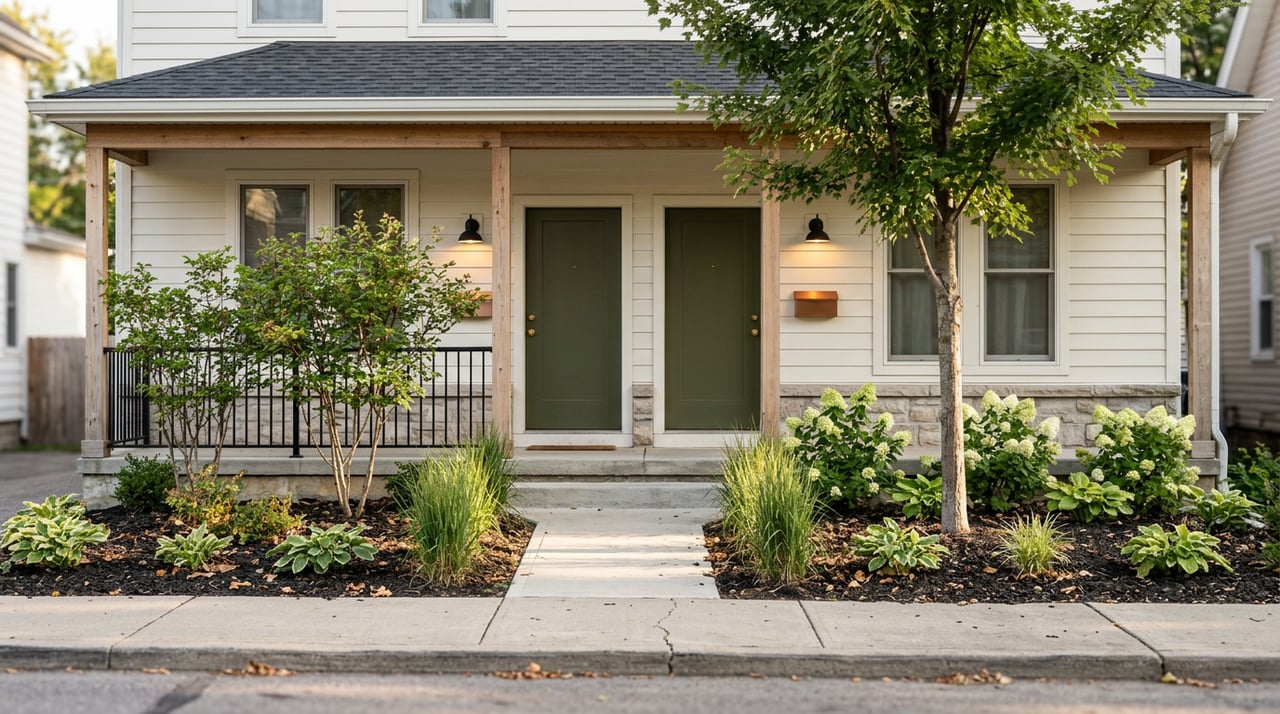
- Duplexes and small multifamily buildings with 2–8 units. You can mix student and workforce tenants to balance seasonality.
- Purpose-built student housing. Larger developments offer scale and predictable operations but compete directly for the same tenant pool and carry higher entry costs.
Rents and returns to expect
Observed local listings indicate the following ranges:
- Small downtown 1–2 bedroom units: roughly 700 to 1,100+ per month, depending on size, finish, and location. You can scan current inventory bands on RentCafe.
- Larger shared student houses (3–4 bedrooms): around 1,800 to 2,800 per month for the whole unit, with a common example near 2,400 for a 4-bedroom house. Confirm current comps before setting per-room or whole-unit pricing.
Sample underwriting math
These examples use recent market-index estimates and observed listings to show the process. Always replace with current comps, asset-specific expenses, and your lender’s terms.
Where to focus your search
- Near campus and downtown: Properties within a short walk or bike ride to Ferris buildings and downtown amenities tend to lease quickly during the academic cycle. Pay attention to parking and snow management.
- Quiet residential streets a short drive to campus: These can appeal to upperclassmen and graduate students who value a calmer setting.
- Workforce hubs: Proximity to healthcare facilities, schools, and downtown businesses can support off-season occupancy.
- County locations: If you step outside city limits, compare pricing to broader Mecosta County norms. Typical home values at the county level have hovered around 209,337 in recent snapshots. Factor in commute time, utilities, and well/septic considerations.
Operating tips for student rentals
- Start marketing early. Aim to prelease 6 to 8 months ahead of move-in to catch the peak student search window. The Ferris off-campus portal shows timing students expect.
- Use clear lease structures. Choose per-bedroom or whole-unit leases and outline utilities, parking, noise, and guest policies in plain language.
- Screen co-signers and guarantors. Many student leases include parental guarantees. Apply the same, consistent screening standards to all applicants.
- Budget for turns. Student houses experience more wear and tear. Durable flooring, washable paint, and simple fixtures help reduce make-ready costs.
- Plan for summer. Fill summer gaps with interns, short-term workers, or adjusted lease terms where allowed by local rules.
- Consider local management. A property manager with student experience can coordinate move-ins, lease renewals, and maintenance for a predictable calendar.
Big Rapids rules and licensing
The City of Big Rapids actively manages rental licensing and short-term rental activity. Planning Commission materials reference Chapters 14-148 and 14-149 for rental licensing and short-term rentals, including occupancy, parking, and contact-person requirements. Review the current draft language and confirm the final ordinance text with city staff using the city’s Planning Commission packet.
- Short-term rentals: Many municipalities define short term as stays under about 28 days. If nightly or weekly rentals are part of your plan, verify whether they are allowed in the property’s zoning district and which license path applies.
- Occupancy and parking: Some cities limit unrelated occupants and require specific parking ratios. Confirm these rules before you price per-bedroom.
- Inspections and safety: Expect to meet building, fire, and safety requirements, including smoke and CO detectors, egress standards, and railings.
Michigan law also sets rules for deposits and evictions. Security deposit handling and caps fall under the Landlord and Tenant Relationships Act. You can read deposit requirements in the Michigan Compiled Laws. Summary-process timelines and notices for evictions are outlined by state rules and courts. A practical overview of steps and timing is available in this Michigan eviction process guide.
Investor due diligence checklist
Use this quick list to move from idea to offer with confidence:
- Confirm zoning and permitted uses for the address. Ask about any legal nonconforming use if the home has housed multiple unrelated occupants historically. Start with the city’s planning resources in the commission packet.
- Verify whether a residential rental license is required and the inspection schedule. Request the latest application forms and timelines from Code Enforcement.
- Review occupancy and parking standards so your planned bed count aligns with local rules.
- Check building and fire safety items: smoke and CO detectors, egress windows, handrails, and electrical panel condition.
- Pull tax history and assessments with the Mecosta County assessor or treasurer. Verify any special assessments that affect expenses.
- Confirm utilities: metering, typical monthly costs, and who pays for what. Outside city limits, confirm well and septic capacity and maintenance.
- Order a title review. Look for deed restrictions, HOA covenants, or overlays that limit rentals.
- Plan for lead-based paint compliance if the property was built before 1978. Federal disclosure rules apply to landlords.
- Build a vacancy and repair reserve. Student turns can be costlier, so set aside funds for painting, flooring, and appliance replacement.
- Cross-check rents by bedroom and by distance to campus. Combine current listings on RentCafe with university off-campus resources and local property manager input.
How a local advisor helps
The right agent saves you time and missteps. We can pull MLS comps that match student-rental profiles, separate academic-year pricing from off-season rents, and connect you with property managers who handle co-signers, turns, and renewals. We can also help you validate code and licensing needs for a specific address, estimate rehab work for student durability, and structure offers that match your financing.
If you’re considering a duplex, a downtown mixed-use, or a 4-bedroom student house, we’re here to help you run the numbers and navigate local rules. Ready to explore opportunities near Ferris State? Connect with the Daniella Bell Group to start your search and build your plan.
FAQs
Are Ferris State rentals a good investment in Big Rapids?
- They can be. Student houses often produce higher gross rent per unit, but they also have more turnover and potentially higher capex. Your net yield depends on purchase price, occupancy during the academic year and summer, and how well the property is managed.
How many Ferris State students live off campus?
- Ferris reported 9,959 students in Fall 2024 and about 96% campus housing occupancy. Use the university’s Fact Book to estimate off-campus demand for your target property type.
When should I list student rentals for the next year?
- Start in spring and aim to prelease 6 to 8 months ahead of move-in. Many student leases run May–May, July–July, or August–May, and the Ferris off-campus portal mirrors that cadence.
What licenses do I need to rent in Big Rapids?
- The city manages a rental licensing program and regulates short-term rentals. Requirements vary by zoning and rental type. Review the latest details in the city’s Planning Commission packet and confirm with staff.
What are typical rents near Ferris State?
- Recent listings suggest small 1–2 bedroom units often range from about 700 to 1,100+ per month, and 3–4 bedroom houses can reach 1,800 to 2,800 per month for the whole unit. Check RentCafe and local managers for current comps.
What Michigan landlord-tenant rules should I know?
- Michigan caps and regulates security deposits and outlines required notices and timelines for evictions. Read the deposit statute in the Michigan Compiled Laws and a practical eviction process overview, then consult an attorney for case-specific questions.