The Septic Question Wexford County Never Asks (But Kalkaska Always Does)
September 10, 2026
September 10, 2026
Drive twenty minutes from a listing near Lake Cadillac to one outside Kalkaska, and you cross a line that changes what your septic system owes the county before it can change hands. Both properties sit inside the same ten-county health district. Both would be inspected, permitted, and recorded by the same office. Only one of them is legally required to prove its septic system works before the sale closes.
That office is District Health Department #10, and its own homeowner guidance settles the question directly: across the ten counties it covers, Kalkaska and Manistee are the only two that require a point-of-sale evaluation of well and septic systems. Wexford County, sitting right beside Kalkaska in the same district, leaves that evaluation voluntary. Same sanitary code, same environmental health staff, same permitting office on Cobb Street in Cadillac. Different rule, depending entirely on which county the parcel sits in.
DHD10's Sanitary Code includes language that reads like a blanket requirement. Chapter 11, section 3.1 describes conditions that must be satisfied before a sale involving an on-site water supply or sewage disposal system can proceed, including an evaluation report filed with the department and a determination that the system is satisfactory or has been corrected. Read in isolation, that section sounds like it applies everywhere the code applies.
It doesn't. DHD10's own guidance for new home purchases clarifies that this mandatory evaluation only kicks in in Kalkaska and Manistee counties, plus Brooks Township in Newaygo County. Everywhere else in the district, including all of Wexford County, the same evaluation is described as voluntary.
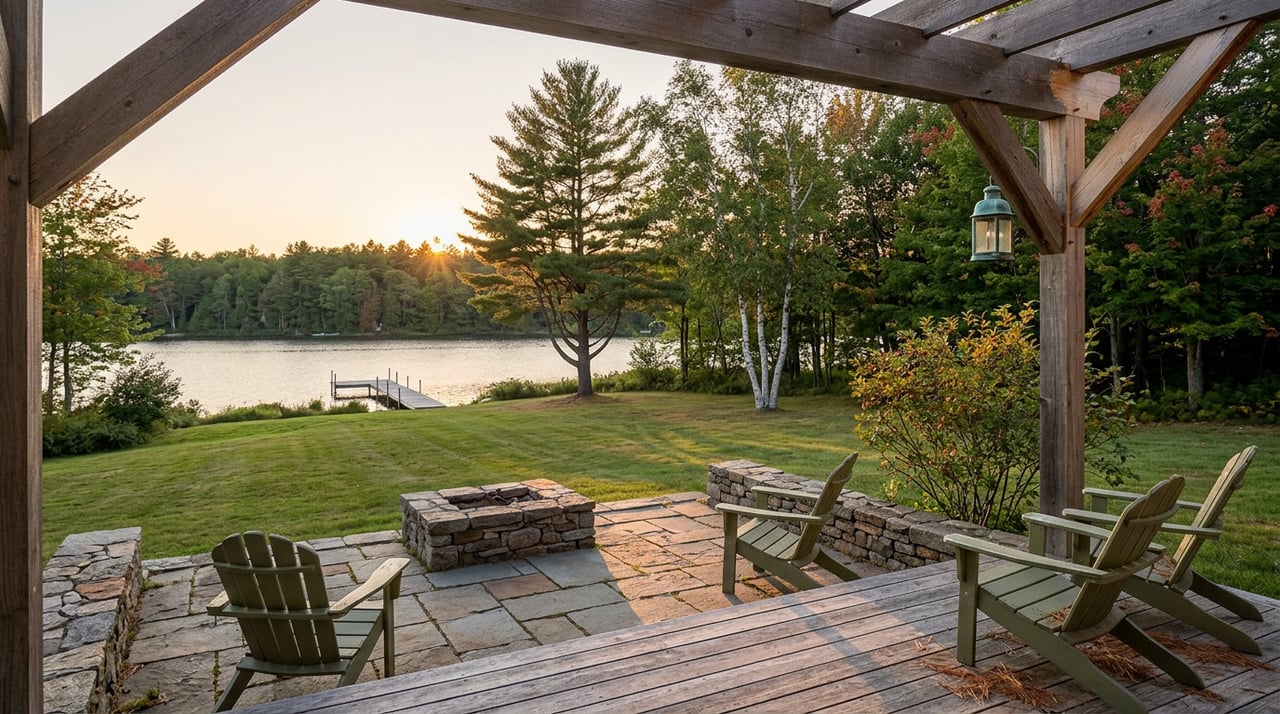
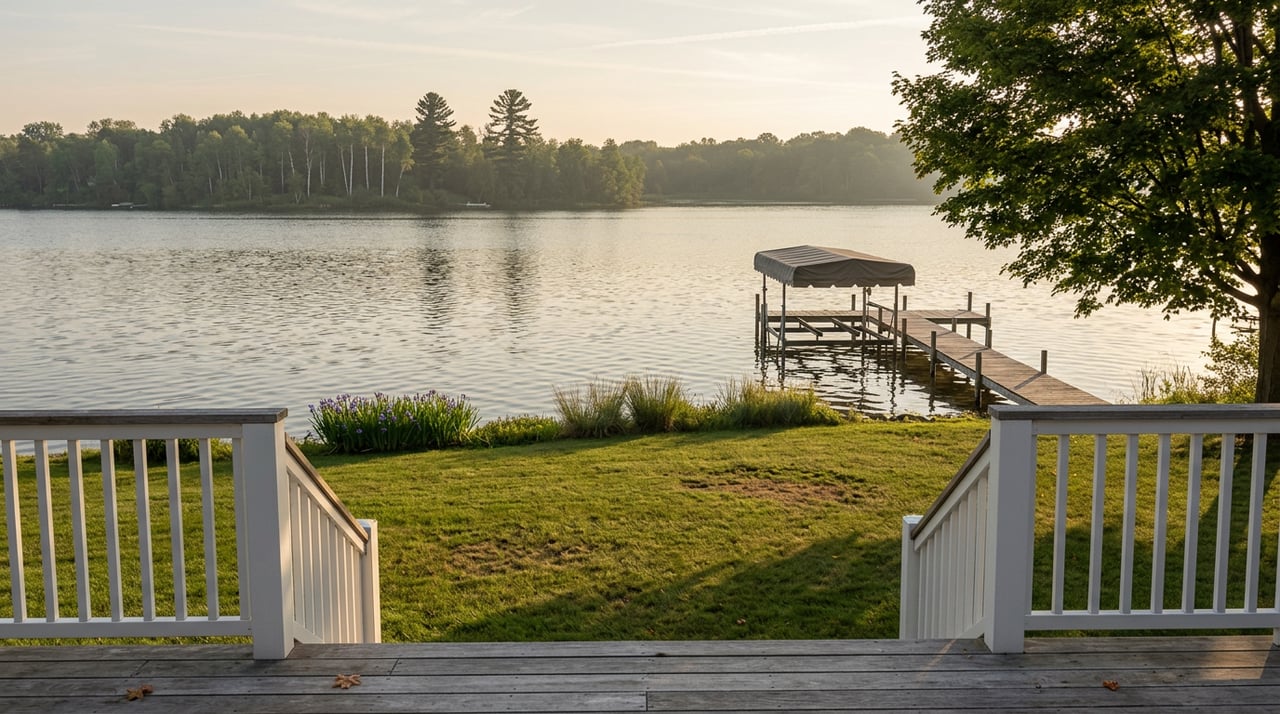
This matters for anyone comparing a lakefront cottage near Lake Cadillac to one near Rugg Pond or the Boardman River corridor in Kalkaska County. The underlying rule about what a healthy septic system looks like doesn't change. What changes is who is required to check.
Voluntary doesn't mean irrelevant. It means the requirement moves from the county to the private market, and the private market fills that gap unevenly.
Michigan has no statewide sanitary code, so a lender is often the party that ends up deciding whether an inspection happens at all. FHA and VA loans in particular tend to require evidence that a septic system functions properly and meets minimum distance requirements from the well, even in counties where no ordinance forces the issue. A cash buyer or a conventional loan, on the other hand, can close in Wexford County without anyone besides the buyer's own curiosity ever looking at the tank.
That creates a specific kind of surprise. A buyer who has purchased in Kalkaska County before, where the evaluation is baked into the transaction, may assume the same protection exists a few miles south. It doesn't. The report they expect to receive automatically is a report nobody was required to generate, and if they want one, they have to ask for it and pay for it themselves.
Sellers face the mirror version of this problem. Because Wexford County doesn't mandate the check, a seller can list a property with a septic system nobody has evaluated in years, and nothing in the transaction forces the issue until a buyer's inspector or lender raises it, often after the offer is already accepted and the timeline is already tight.
Northern Lower Michigan's sandy glacial soils are generally forgiving for conventional gravity-fed septic systems, which is one reason the region has so many of them on lake lots and rural acreage. That same soil profile also means groundwater can move quickly past a failing system toward a lake or stream, which is the underlying public health argument for time-of-sale inspections in the first place.
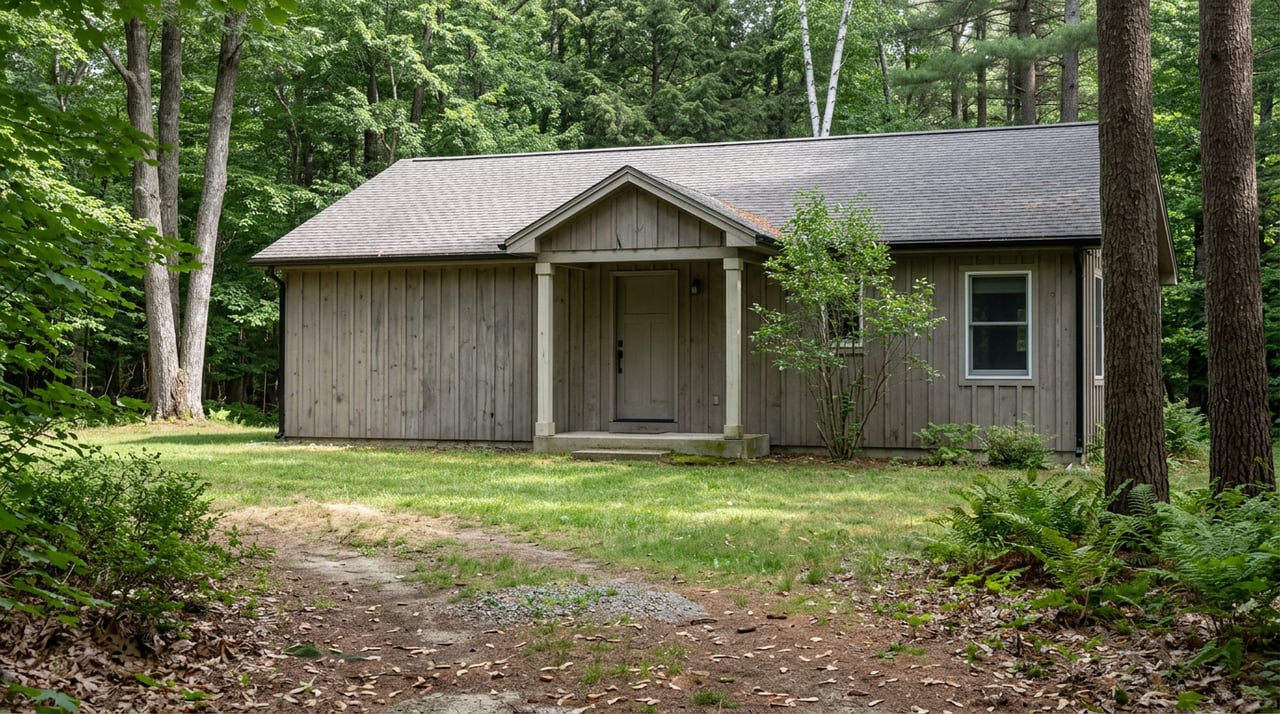
Older cottages and seasonal homes present the sharper version of the risk. Many were built decades before current code, and some were installed without much regard for any code at all. Concrete tanks in this climate are prone to freeze-thaw cracking, especially where they were set at shallow depth to save on excavation. None of that shows up on a listing sheet, and in a county where the evaluation is optional, it may never surface until someone goes looking.
A voluntary evaluation in Wexford County looks the same as a mandatory one in Kalkaska County. A qualified inspector will typically:
The cost for this kind of evaluation typically runs $300 to $600. That range holds whether the county requires it or not, because the labor and equipment involved don't change based on which side of the county line the tank sits on.
The reason this gap matters isn't philosophical. It's financial, and the numbers only make sense once you line them up against the timing of a real transaction.
A voluntary pre-listing evaluation costs a few hundred dollars and happens on the seller's schedule. Wait until a buyer's own inspection turns up a cracked baffle or a failing drain field, and the same problem now costs real money and gets negotiated under pressure. A distribution box replacement runs $500 to $1,500. A full drain field replacement, the kind of failure that tends to stop a closing outright, runs $5,000 to $15,000 or more depending on soil conditions and system type. In a county where nobody was required to look, that discovery often lands in the middle of a signed purchase agreement rather than before the home ever hit the market.
DHD10 recommends pumping a septic tank every three to four years regardless of any sale. A seller who has kept up with that schedule and can hand a buyer a recent pump record and a functioning system walks into negotiations from a position of proof. A seller who hasn't is betting that nobody asks, in a county where the rule genuinely allows them to make that bet.
A few practical steps apply whether you're comparing Wexford County to Kalkaska County or just trying to understand what you're actually buying:
Does Wexford County require a septic inspection to sell a home? No. DHD10's own guidance identifies Kalkaska and Manistee counties, along with Brooks Township in Newaygo County, as the only parts of its ten-county district where a point-of-sale evaluation is mandatory. In Wexford County, the evaluation is voluntary.
If it's voluntary, why would a seller bother? Because a lender still might require it, and because a problem found before listing is a repair you negotiate on your terms, not a discovery that surfaces mid-contract and costs you leverage along with money.
Where can I check records for a specific property? DHD10 handles well and septic records through its FOIA request process, and the department's Wexford County office is located on Cobb Street in Cadillac. Requesting the file before you write an offer, or before you list, is the only way to know what's actually documented for that address.
Buying or selling a home on a private well and septic system in Wexford County means doing the homework the county doesn't require you to do. That's exactly the kind of local detail Daniella Bell Group works through with clients every day, matching the paperwork to the property before it becomes a problem at the closing table. If you're weighing a lakefront cottage, a rural parcel, or a listing anywhere across Wexford County or the surrounding counties, reach out and let's Find Your Beautiful Life with the details already sorted.
Stay up to date on the latest real estate trends.