Key Steps for Buying Recreational Land in Missaukee County
May 7, 2026
May 7, 2026
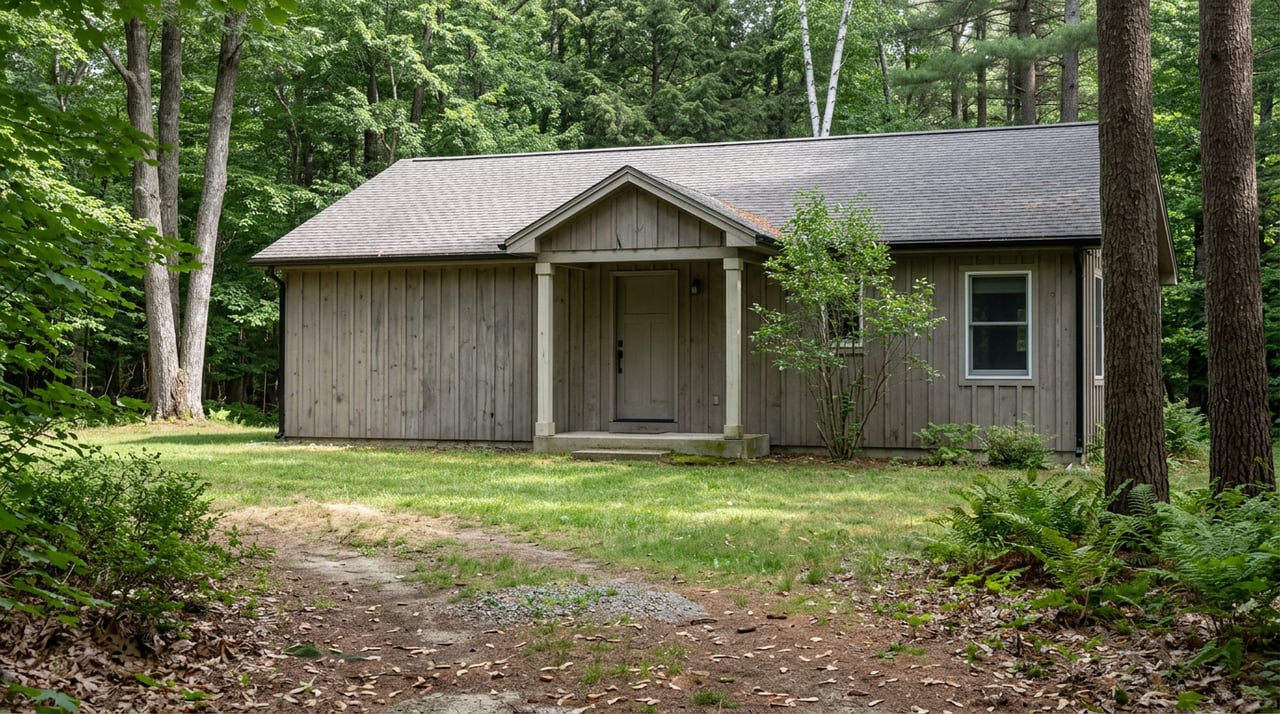
Looking at wooded acreage near McBain can stir up big plans fast. You might picture trail rides, hunting weekends, a simple camp setup, or a future cabin tucked into the trees. Before you fall in love with the view alone, it helps to know what to verify first so your land works for the way you want to use it. Let’s dive in.
Buying recreational land in Missaukee County should begin with parcel-level homework. A listing can show you size and location, but the real story comes from county and state records.
Missaukee County’s Equalization office is a practical first stop. It maintains assessment rolls and provides property descriptions, owner information, state equalized value, assessed and taxable value, millage rates, and tax maps. The county also links to GIS and tax search tools, which can help you narrow down parcels before you spend more time or money.
The Register of Deeds is another key office early in the process. It records deeds, mortgages, liens, surveys, plats, land contracts, and related real estate documents, with records dating back to 1871. That paper trail matters when you want to confirm what is actually being conveyed.
A parcel may look wide open on a map and still come with limits. Michigan EGLE notes that mineral rights can be separated from surface rights, and those rights are usually identified through a deed abstract or title search.
The Michigan DNR also notes that ownership can include access easements, trail easements, hunting rights, and restrictive covenants. In simple terms, land that looks private and unrestricted may still have recorded interests that affect how you use it. That is why deed history and title review should happen before you get too attached.
Rural land can raise one basic but important question: can you legally and practically get to it? Access is one of the first issues to confirm before writing an offer.
Michigan Treasury cautions that a tax-roll legal description may differ from a legal description that will stand up in court. When boundary lines, corner markers, or access points are unclear, a current survey is often worth ordering. In Missaukee County, recorded surveys and plats are part of the Register of Deeds record system, so those documents are an important place to start.
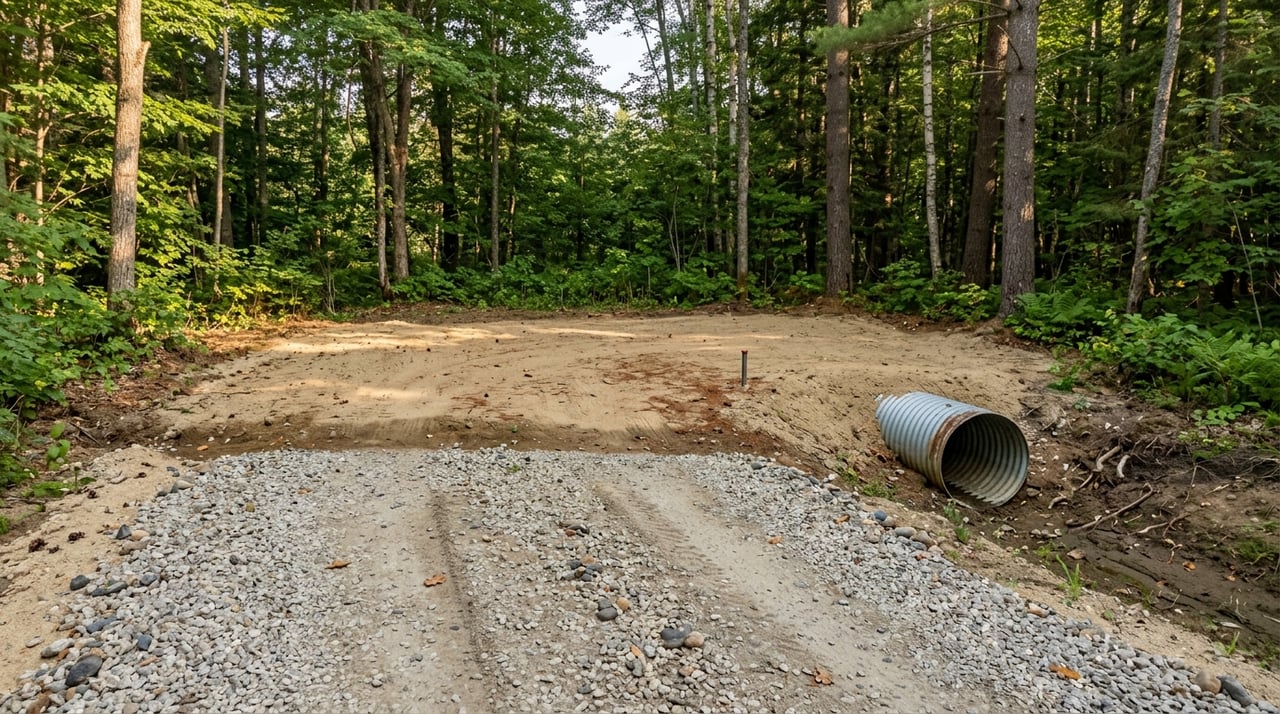
If the parcel needs a new driveway or approach, the Missaukee County Road Commission has a separate permit process for residential driveways and approaches from public or private roads. This can be easy to overlook when land appears accessible from the road.
The Road Commission’s fee schedule also warns that fees are doubled if work begins before the permit is issued. For that reason, it is smart to ask early whether the land already has legal access in place or whether an approval will be needed.
Your current plans for recreational land may not be your long-term plans. What starts as a place for seasonal camping or hunting could later become a site for a cabin, pole building, or full-time home.
MSU Extension advises buyers to check the local zoning ordinance before purchasing because zoning can control allowed uses, setbacks, building size, and other land-use rules. It also notes that some Michigan communities may have no zoning at all. Either way, you want a clear answer before moving forward.
This step is about more than asking whether land is buildable today. It is also about whether the property fits your likely next chapter.
If you want flexibility, confirm how the parcel aligns with your possible uses over time, including recreation now and construction later. That simple check can save you from buying land that works for one season of life but not the next.
For many rural properties, buildability comes down to soil, water, and site conditions. This is one of the most important parts of due diligence in Missaukee County.
District Health Department #10 issues permits for private wells and septic systems in Missaukee County. It evaluates the site, designs the septic system, locates the well area, and inspects the final work. If your future plans include any structure that needs these systems, early conversations here matter.
DHD#10 recommends a soil evaluation before buying property where a septic system will be used. Its sanitarians perform soil borings to check soil type, seasonal high groundwater, and the confining layer.
That evaluation can quickly tell you whether a parcel is practical for a future cabin or year-round home. It is one of the clearest ways to separate a beautiful lot from a usable one.
If the property already has improvements, ask for records. DHD#10 says buyers and residents can request well and septic records through its FOIA platform, and EGLE’s Wellogic allows the public to search water-well records by county.
Those records can help confirm what is already on the property before closing. If there is an existing cabin or house, remember that checking the well log is not the same as testing the water.
DHD#10 says its drinking-water testing lab is permanently closed and directs residents to state-certified drinking-water labs. So if you are buying land with an existing well, water testing is a separate due-diligence step.
That distinction matters because a recorded well does not tell you the current water quality. If the property includes a cabin or home, this should be part of your inspection planning.
If you hope to build later, Missaukee County’s Building Department should be part of your research. The county says it enforces the 2015 Michigan Building Code and 2015 Michigan Residential Code.
The county also states that any owner intending to construct, enlarge, alter, repair, move, demolish, or change utility systems must obtain a permit first. That means even if the land feels remote and informal, future improvements still go through a formal review process.
Missaukee County’s permit site plan requirements are detailed. The plan must show lot lines, driveway access, underground utilities, septic, well or sanitary sewer locations, and nearby natural features.
The county application also flags possible EGLE and soil erosion and sedimentation permits when land disturbance is near water, wetlands, floodplain areas, or exceeds one acre. If your dream property includes low areas, water features, or larger site work, this is especially important to confirm early.
Financing recreational land is often different from financing a home. Terms can vary based on property type, zoning, acreage, credit profile, and intended use.
Michigan credit unions currently market vacant-land and recreational-land loans, with examples including fixed or adjustable options and varying terms depending on the lender and parcel type. This is a reminder to line up financing early and make sure the loan product fits the land you want to buy.
When conventional land financing is difficult, MSU Extension says a land contract can be a legitimate alternative to a mortgage. It also stresses that a land contract is a legal agreement that should be in writing and reviewed with competent legal counsel.
Typical land contracts include the purchase price, down payment, monthly payments, interest, and often a balloon payment. If this route comes up, make sure you fully understand the structure before moving ahead.
Before closing, your due diligence should line up with your intended use of the property. That includes deed history, recorded easements, mineral reservations, legal access, and any needed site approvals.
This final review is especially important with recreational land because your plans can evolve. The parcel that works for seasonal use today should still make sense if you decide to build in the future.
Recreational land purchases often involve several offices, each handling a different piece of the puzzle. In Missaukee County, the most important handoff points typically include the Equalization and GIS office, the Register of Deeds, District Health Department #10, the Road Commission, the Building Department, and the zoning administrator.
Working through those checks in the right order can help you avoid expensive surprises after an offer is accepted. In practical terms, that often means reviewing GIS and deed records first, then confirming access, zoning, soil and septic matters, well records, driveway permits, and building requirements before investing in a survey or site plan.
That kind of step-by-step approach fits the way Daniella Bell Group serves buyers across Central and Northern Michigan. If you are looking for acreage near McBain, thoughtful guidance can help you move from a great-looking parcel to a confident purchase decision.
If you are ready to explore recreational land and want a clear plan for what to verify first, connect with Daniella Bell Group and start your search with local guidance designed to help you find your beautiful life.
Stay up to date on the latest real estate trends.